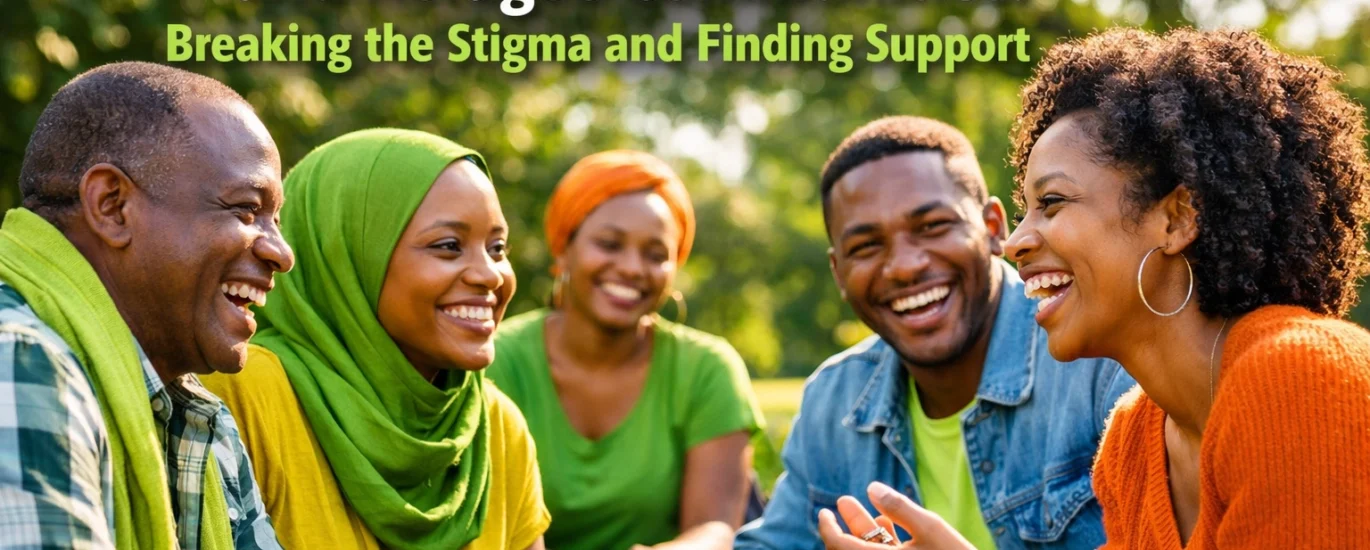
For many African immigrants and refugees, the journey to a new country is fueled by hope, resilience, and the dream of a safer, more prosperous future for their families. However, the path of resettlement is often paved with challenges that go far beyond finding a job or learning a new language. One of the most significant, yet least discussed, hurdles is the toll these experiences take on our mental and emotional well-being.
At African Immigrant Family Services (AIFS), we see the incredible strength of our community every day. But we also see the silent struggles, the weight of past traumas, the stress of adjusting to a new culture, and the heavy silence that often surrounds the topic of mental health. It is time to talk about these challenges with the compassion and honesty they deserve.
The Weight of the Journey: Understanding Resettlement Stress
Resettlement is not a single event; it is a long-term process that affects every part of a person’s identity. When you leave your home country, you aren't just changing your address. You are leaving behind your support systems, your social status, and the familiar rhythms of daily life.
The Impact of Post-Migration Stress
Many members of our community face what experts call "post-migration stress." This includes the daily struggle to navigate complex legal systems, the pressure to send money back home, and the "cultural dislocation" that comes from feeling like you don't fully belong in your new environment yet no longer fit perfectly into your old one.
The Shadow of Trauma
For many refugees, the decision to leave was not a choice but a necessity born of conflict, persecution, or loss. These experiences leave deep emotional scars. Trauma can manifest in many ways: difficulty sleeping, constant worry, irritability, or feeling "numb" to the world around you. It is important to remember that these are not signs of weakness; they are natural human responses to unnatural levels of stress.

Breaking the Silence: Why Stigma Persists
In many African cultures, mental health is often viewed through a different lens than it is in Western societies. This can lead to a significant "stigma" that prevents people from seeking the help they need.
Cultural and Religious Interpretations
In some communities, mental health struggles are misunderstood as a lack of faith, a spiritual failing, or even a source of shame for the entire family. When mental illness is seen as something to be hidden, people suffer in isolation. They fear that speaking up will lead to social exclusion or that they will be labeled as "crazy."
The Pressure on Men and Cultural Roles
Research shows that African immigrant men are particularly vulnerable to this stigma. The pressure to be the "strong provider" and the "pillar of the family" often makes it feel impossible to admit to feeling overwhelmed or depressed. Many men fear that seeking help will undermine their authority or their masculinity within the community.
Self-Stigma
Perhaps most damaging is "self-stigma", when we begin to believe the negative things society says about mental health. We might tell ourselves, "I should be stronger," or "I survived the war, I should be able to handle this." Healing begins when we realize that asking for help is actually one of the strongest things a person can do.
Barriers to Care: Beyond the Mind
Even when someone is ready to seek help, they often run into structural walls. Navigating the American healthcare system is confusing for anyone, but for an immigrant or refugee, the barriers can feel insurmountable.
- Language Limitations: Low English proficiency is a major hurdle. When you are trying to describe your deepest fears or your most private pains, doing so in a second or third language can feel impossible.
- Lack of Insurance: Many families are worried about the cost of care or don't have health insurance. They may not realize that there are non-profit resources and sliding-scale services available.
- Fear of Documentation Status: For those still navigating their legal status, the fear that accessing services could impact their residency or lead to deportation is a constant, terrifying reality.
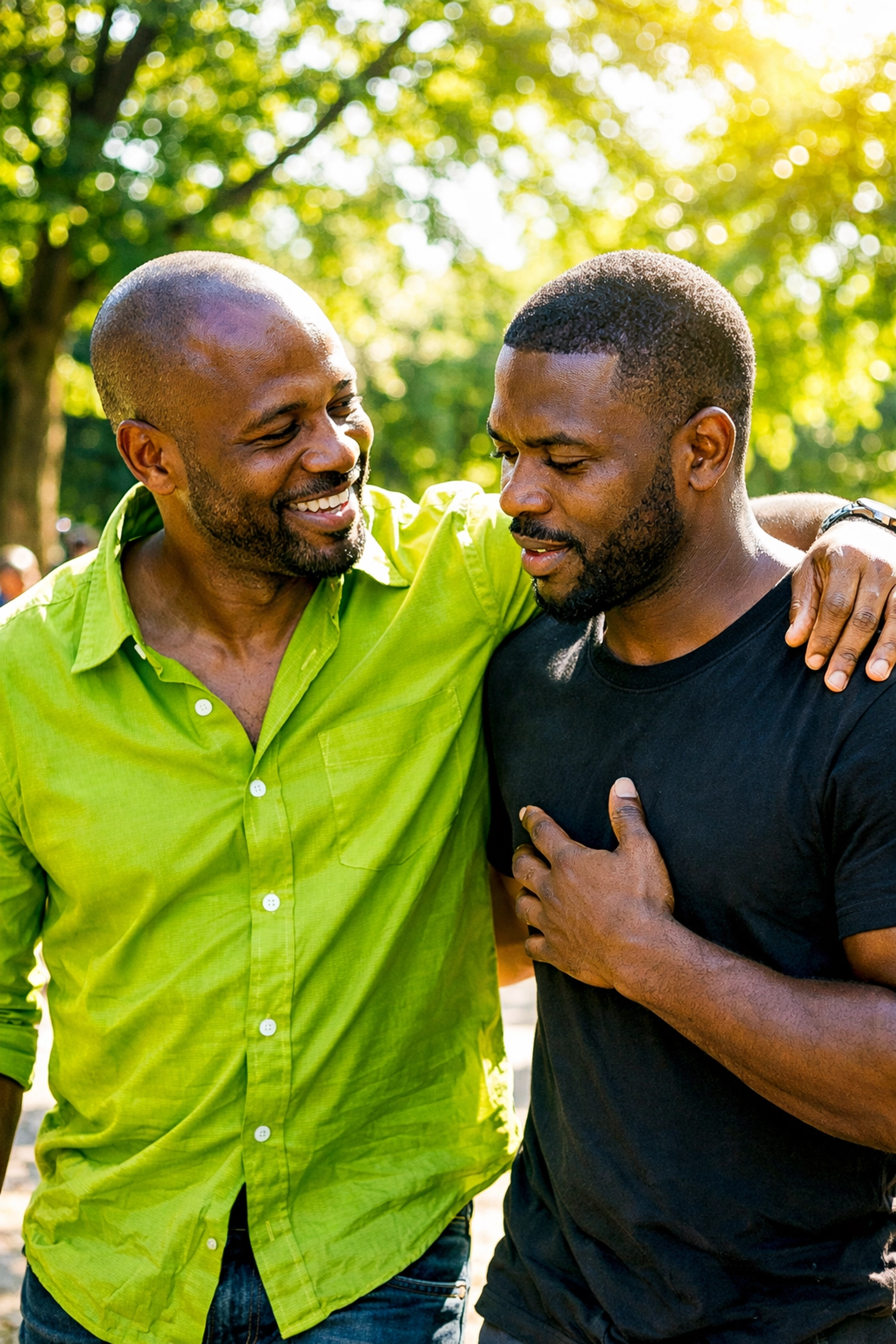
The Power of Healing in Your Own Language
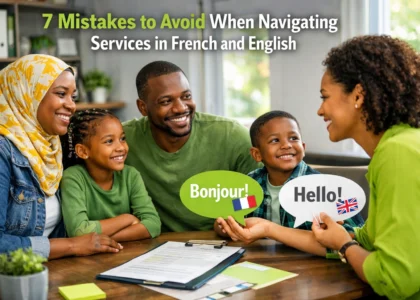
At AIFS, we believe that true healing happens when you feel seen, heard, and understood. This is why we place such a high priority on French-speaking support and culturally sensitive care.
Language is more than just a tool for communication; it is a carrier of culture, emotion, and nuance. When a counselor or navigator speaks your language, whether it is French, Wolof, Swahili, or Arabic, they aren't just translating words; they are interpreting your experience.
For many African families, the ability to express their feelings in French allows for a level of comfort and trust that English-only services simply cannot provide. It removes the extra layer of "work" that goes into translation, allowing the person to focus entirely on their well-being.
Culturally Sensitive Approaches to Wellness
Mainstream mental health services often use models that don't always resonate with the African immigrant experience. We advocate for approaches that respect our community's values:
- Community-Partnered Care: Healing shouldn't happen in a vacuum. It happens in community. We focus on models that involve the family and the community network.
- Holistic Wellness: We recognize that mental health is tied to physical health, spiritual peace, and economic stability. If you are worried about your rent or your children’s school, your mental health will suffer.
- Destigmatizing Education: By talking about mental health in community spaces, like churches, mosques, and community centers, we normalize the conversation. We help people understand that mental health is just another part of overall health, no different from managing diabetes or high blood pressure.

How AIFS Helps Families Navigate the System
You do not have to walk this path alone. African Immigrant Family Services is here to act as your bridge to a healthier future. We provide compassionate healthcare navigation designed specifically for the unique needs of our community.
We Listen Without Judgment
Our first step is always to listen. We provide a safe, confidential space where you can share your concerns without fear of stigma or shame. Whether you are dealing with "the blues," intense anxiety, or the lingering effects of trauma, your feelings are valid.
We Help You Find the Right Care
The healthcare system is a maze. We help families find providers who are not only skilled but also culturally competent. We assist with:
- Finding French-speaking doctors and therapists.
- Explaining how insurance and medical billing work.
- Advocating for your rights within the healthcare system.
- Connecting you to community resources for food, housing, and job readiness to reduce the external stressors on your mental health.
We Empower Through Information
Knowledge is power. We provide workshops and information sessions that help families recognize the signs of mental health struggles in themselves and their children. When you know what to look for and where to go, the "monster" of mental illness feels much smaller.

A Message of Hope for Our Community
If you are feeling overwhelmed, please know this: It is okay to not be okay.
Our community has survived incredible hardships. We have crossed oceans, built new lives from scratch, and supported one another through the darkest of times. That same resilience can be used to heal our minds and hearts.
Mental wellness is not a luxury; it is a necessity for a thriving family. When parents are mentally healthy, they can better support their children. When our youth are emotionally resilient, they can excel in school and lead our community into the future.
Let’s commit to breaking the silence. Let’s check in on our neighbors, support our brothers and sisters, and reach out for help when the load gets too heavy to carry alone.
Are you or a loved one struggling with the stress of resettlement? Do you need help finding a compassionate, French-speaking healthcare provider?
Reach out to African Immigrant Family Services (AIFS) today. We are here to help you navigate the system and find the support you deserve. Your journey toward healing starts with a single conversation.
AIFS is a non-profit organization dedicated to empowering African immigrant and refugee families in our community. We provide compassionate advocacy, healthcare navigation, and family services to ensure that every member of our community has the opportunity to thrive.